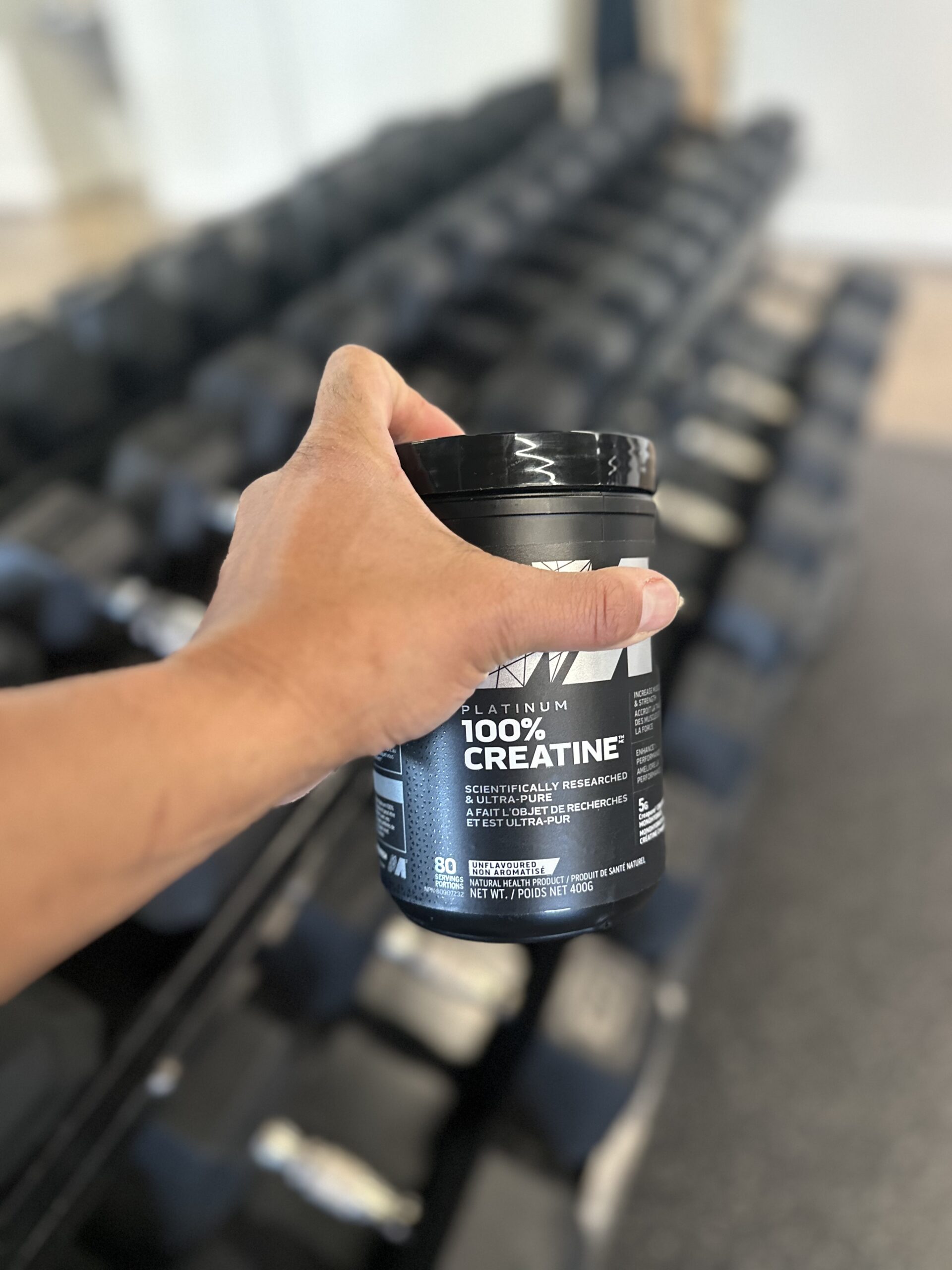
Electrolytes are essential for maintaining the body’s fluid balance, muscle function, and overall health. When the levels of these crucial minerals are out of balance, it can lead to a variety of symptoms and health issues. Understanding the signs of electrolyte imbalance and knowing how to correct it can help you stay at the top of your game, whether you’re an athlete or simply leading an active lifestyle.
What Are Electrolytes?
Electrolytes are minerals that carry an electric charge and are found in your blood, urine, and body fluids. They include sodium, potassium, calcium, magnesium, chloride, phosphate, and bicarbonate. These minerals are essential for:
- Regulating fluid balance
- Supporting muscle contractions
- Maintaining nerve function
- Balancing the body’s pH levels
Top Signs of Electrolyte Imbalance
- Muscle Cramps and Weakness
- Why It Happens: Electrolytes like calcium, potassium, and sodium are crucial for muscle contractions. An imbalance can cause muscles to cramp, twitch, or feel weak.
- What to Do: Ensure you’re getting enough of these minerals through your diet and consider supplementation if needed.
- Fatigue and Low Energy
- Why It Happens: Electrolytes help regulate energy production and distribution in your body. An imbalance can lead to persistent fatigue and low energy levels.
- What to Do: Replenish electrolytes through hydrating beverages and foods rich in these minerals.
- Headaches and Confusion
- Why It Happens: An electrolyte imbalance can affect brain function, leading to headaches, confusion, and irritability.
- What to Do: Stay hydrated and maintain a balanced intake of electrolytes, especially if you’re exercising heavily or in hot climates.
- Irregular Heartbeat
- Why It Happens: Electrolytes are critical for maintaining heart rhythm. Imbalances can cause irregular heartbeats or palpitations.
- What to Do: Monitor your electrolyte intake and consult a healthcare professional if you experience persistent heart rhythm issues.
- Nausea and Vomiting
- Why It Happens: Severe electrolyte imbalances can disrupt the digestive system, leading to nausea and vomiting.
- What to Do: Rehydrate with electrolyte-rich fluids and seek medical attention if symptoms persist.
- Thirst and Dry Mouth
- Why It Happens: Electrolytes help regulate fluid balance. An imbalance can cause excessive thirst and a dry mouth.
- What to Do: Drink electrolyte-enhanced beverages to restore balance.
- Dizziness and Lightheadedness
- Why It Happens: Electrolyte imbalances can affect blood pressure and circulation, leading to dizziness and lightheadedness.
- What to Do: Ensure adequate hydration and electrolyte intake, especially after intense physical activity.
How to Fix Electrolyte Imbalance
- Stay Hydrated
- Drink plenty of fluids, especially during and after exercise. Water is essential, but beverages that contain electrolytes can be more effective in maintaining balance.
- Eat a Balanced Diet
- Include a variety of foods rich in electrolytes:
- Sodium: Found in table salt, soups, and processed foods.
- Potassium: Found in bananas, oranges, potatoes, and spinach.
- Calcium: Found in dairy products, leafy greens, and fortified foods.
- Magnesium: Found in nuts, seeds, whole grains, and green leafy vegetables.
- Include a variety of foods rich in electrolytes:
- Use Electrolyte Supplements
- High-quality electrolyte supplements can help replenish lost minerals and maintain balance, especially during intense physical activities or hot weather.
By staying informed about electrolyte imbalance and taking proactive steps to maintain balance, you can enhance your performance and overall well-being. With First Place Fuel, you have a reliable partner to help you achieve your health and fitness goals.