Muscle health is vital for much more than just the obvious benefit of having a stronger body. Here’s why maintaining strong muscles is essential:
1. Enhanced Physical Function
Stronger muscles contribute to several health and strength-based variables such as stronger tendons and joints, more resilient bones, and a reduced risk of fractures due to falls. This means better overall physical function and less likelihood of injury.
2. Increased Metabolism
Muscle is an aerobically active tissue, meaning it burns calories even at rest. More muscle mass translates to an increased metabolism, which can help maintain a healthy weight. This boost in metabolism also aids in managing blood sugar levels, reducing the risk of developing diabetes and heart disease.
3. Improved Cognitive Health
Strength training and increased muscle mass have been linked to a reduced risk of cognitive decline as we age. Engaging in regular strength training can help preserve mental sharpness and combat age-related cognitive issues.
4. Age-Related Muscle Loss
As we age beyond 30, we can lose anywhere from 3-8% of our muscle mass per decade. This natural decline can significantly impact overall health if not addressed. Regular strength training and muscle preservation measures are crucial to counteract this loss and maintain health and vitality.
5. Comprehensive Health Benefits
The benefits of muscle health extend beyond physical strength and appearance. Increased muscle mass supports a healthier metabolic rate, better weight management, improved blood sugar control, and a lower risk of chronic diseases. It also plays a role in reducing the risk of cognitive decline, highlighting its importance in a comprehensive health and wellness plan.
Key Nutrition and Supplements for Building and Maintaining Muscle
While regular exercise and strength training are crucial for muscle health, nutrition and supplementation play an equally important role. Here are some key nutritional strategies and supplements to consider:
1. Protein
Protein is the building block of muscles. Consuming adequate protein is essential for muscle repair and growth. Aim for a variety of protein sources:
- Lean meats: Chicken, turkey, and lean cuts of beef or pork.
- Fish: Salmon, tuna, and other fatty fish are great for protein and omega-3 fatty acids.
- Plant-based proteins: Beans, lentils, tofu, and tempeh are excellent for vegetarians and vegans.
- Dairy: Milk, yogurt, and cheese provide protein and calcium.
- Eggs: A versatile and nutrient-dense protein source.
2. Carbohydrates
Carbohydrates are essential for fuelling workouts and replenishing glycogen stores in muscles. Opt for complex carbohydrates like:
- Whole grains: Brown rice, quinoa, oats, and whole-wheat products.
- Vegetables: Especially starchy ones like sweet potatoes and squash.
- Fruits: Bananas, berries, and apples provide energy and essential vitamins.
3. Healthy Fats
Healthy fats support overall health and hormone production, which is important for muscle growth. Include sources like:
- Avocados
- Nuts and seeds
- Olive oil
- Fatty fish
4. Hydration
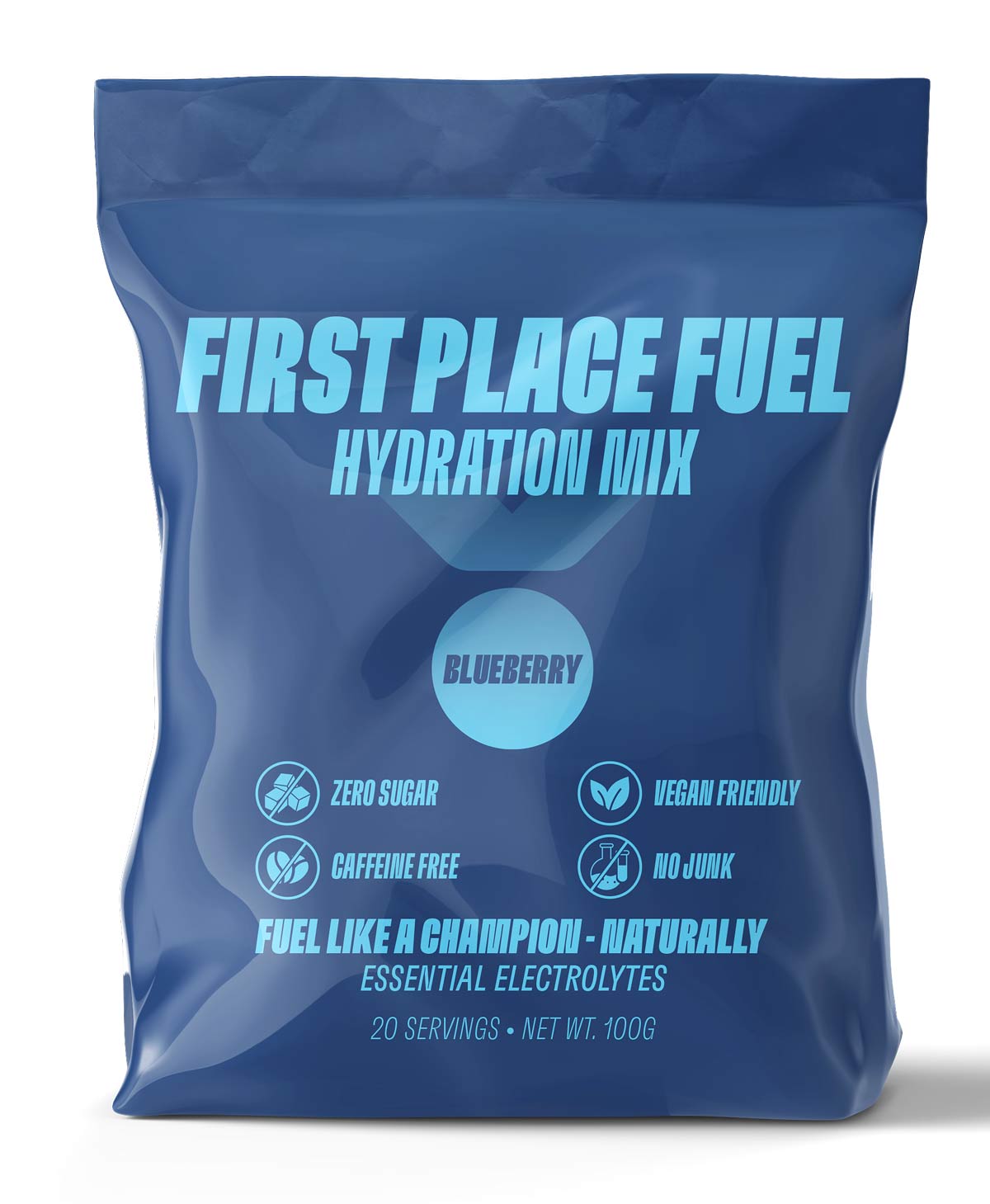
Staying hydrated is crucial for muscle function and recovery. Drink plenty of water throughout the day, especially before, during, and after workouts. Consider electrolyte supplements if engaging in intense or prolonged exercise.
5. Key Supplements
While a balanced diet should provide most of your nutritional needs, supplements can help ensure you meet your muscle-building goals. Here are some key supplements to consider:
- Whey Protein: Easily digestible and great for post-workout recovery.
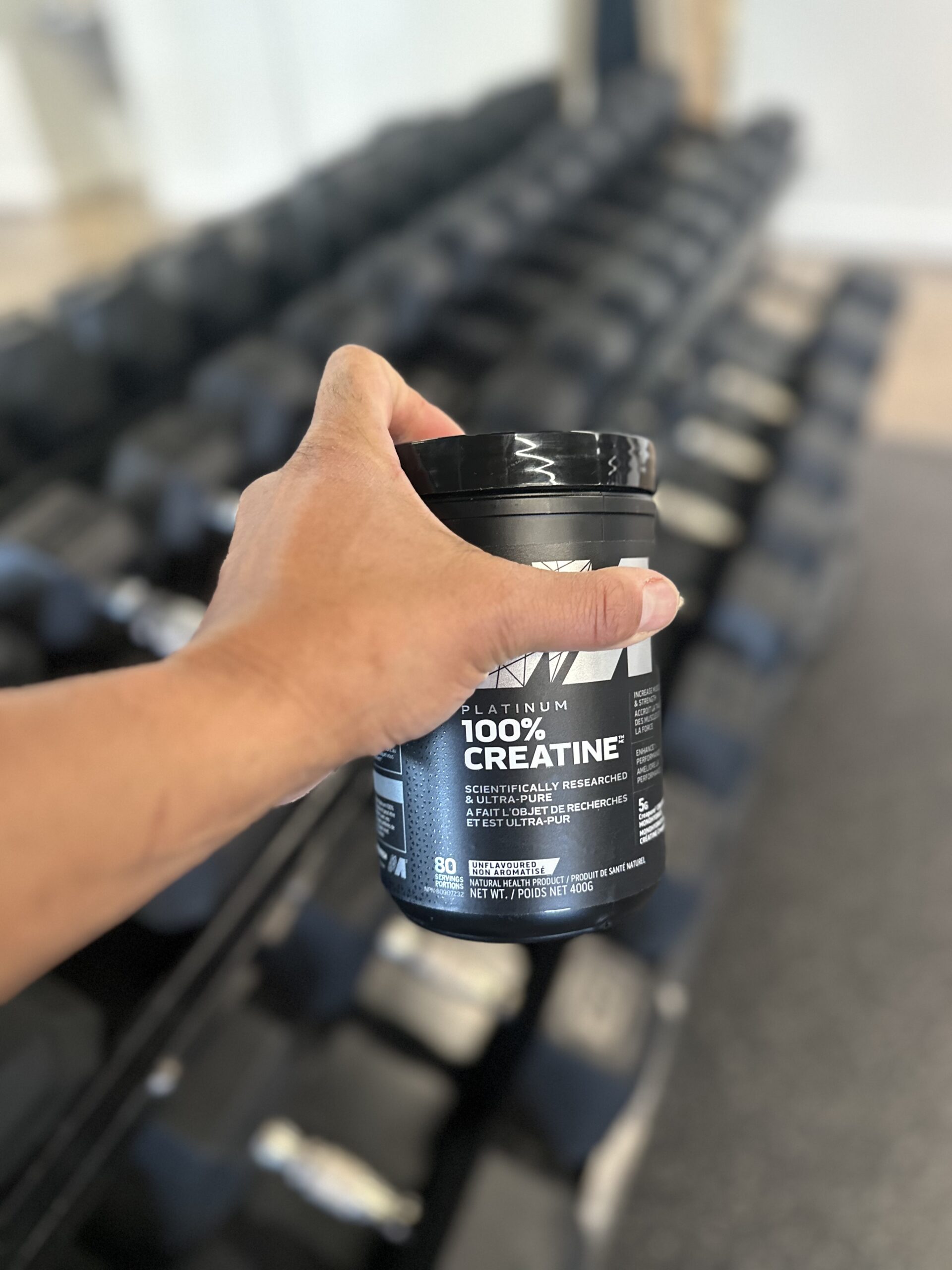
- Creatine: Helps increase muscle mass and improve performance during high-intensity workouts.
- Branched-Chain Amino Acids (BCAAs): Aid in muscle recovery and reduce muscle soreness.
- Beta-Alanine: Improves exercise performance and reduces fatigue.
- Electrolyte Supplements: Important for maintaining hydration and muscle function, especially during intense workouts.
- HMB (Beta-Hydroxy Beta-Methylbutyrate): Helps prevent muscle loss and supports muscle growth, especially beneficial for those experiencing age-related muscle decline or during periods of high-intensity training.
Neglecting muscle health can have profound consequences on overall well-being. The advantages of maintaining strong muscles are vast, from physical resilience and metabolic health to cognitive preservation. Incorporating regular strength training, focusing on muscle preservation, and supporting these efforts with proper nutrition and targeted supplements should be key components of any health and wellness plan. This holistic approach ensures a healthier, stronger, and more vibrant life as we age.